Improving livestock productivity requires consistent management decisions across the whole production cycle. Farmers and technical professionals obtain better results when nutrition, health, housing, breeding, records and marketing are planned as connected parts of one enterprise.
1. Plan feed resources before shortages begin
Feed planning should estimate the number and type of animals, daily feed requirements, seasonal availability and the cost of purchased supplements. Conserving crop residues, hay and locally available feed materials before the dry season can reduce emergency feeding costs.
2. Improve housing and animal comfort
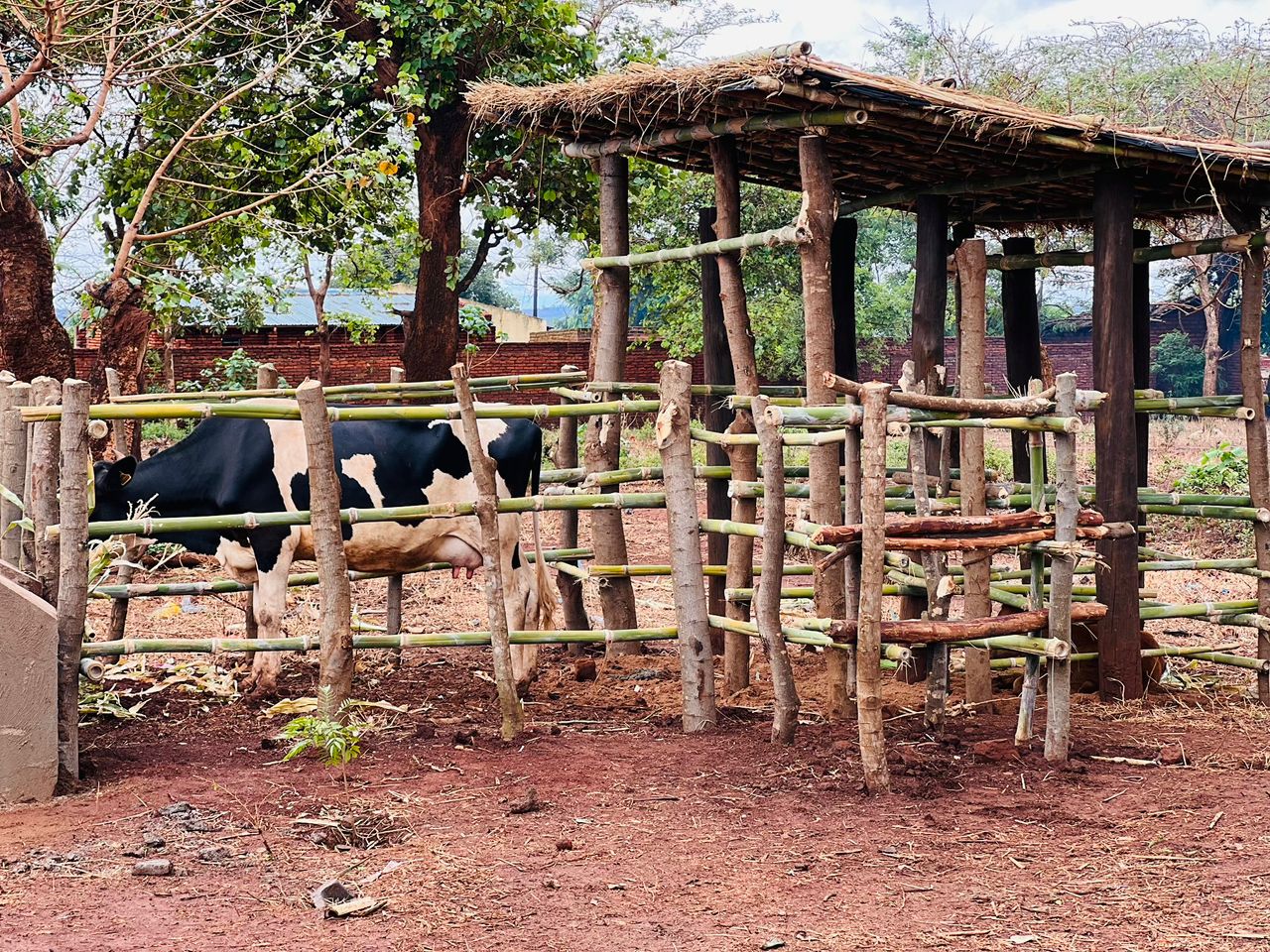
Livestock housing should provide drainage, ventilation, shade, clean resting areas and safe handling space. Good housing lowers stress, protects feed from contamination and makes cleaning, observation and treatment easier.
3. Strengthen preventive animal health
Routine observation, vaccination where recommended, parasite control, quarantine of newly introduced animals and early reporting of unusual illness help prevent avoidable production losses. Treatment records should be kept for every animal or group.
4. Keep simple production and financial records
Useful records include births, deaths, treatments, feed purchases, milk or egg output, weights, sales and major expenses. These records allow the farmer to identify poor performance and measure whether an intervention is producing results.
5. Produce with a market in mind
Farmers should understand the preferred product, quality, timing, quantity and price required by buyers. Production planning becomes stronger when it is linked to realistic market demand rather than waiting until animals or products are ready for sale.
For technical officers and organisations
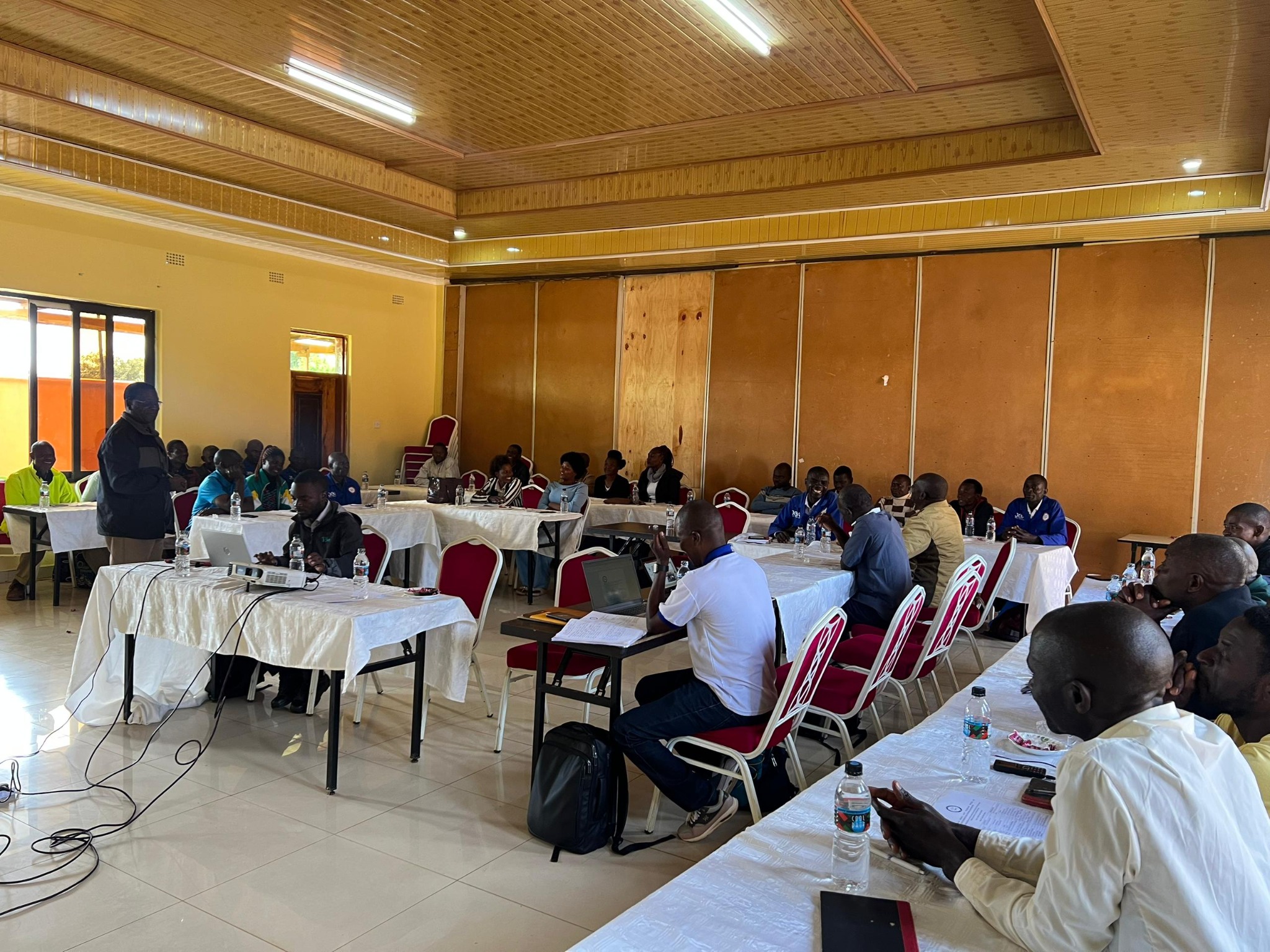
Extension teams, researchers and development organisations can support farmers by combining demonstrations, follow-up visits, peer learning and practical record templates that fit local production conditions.