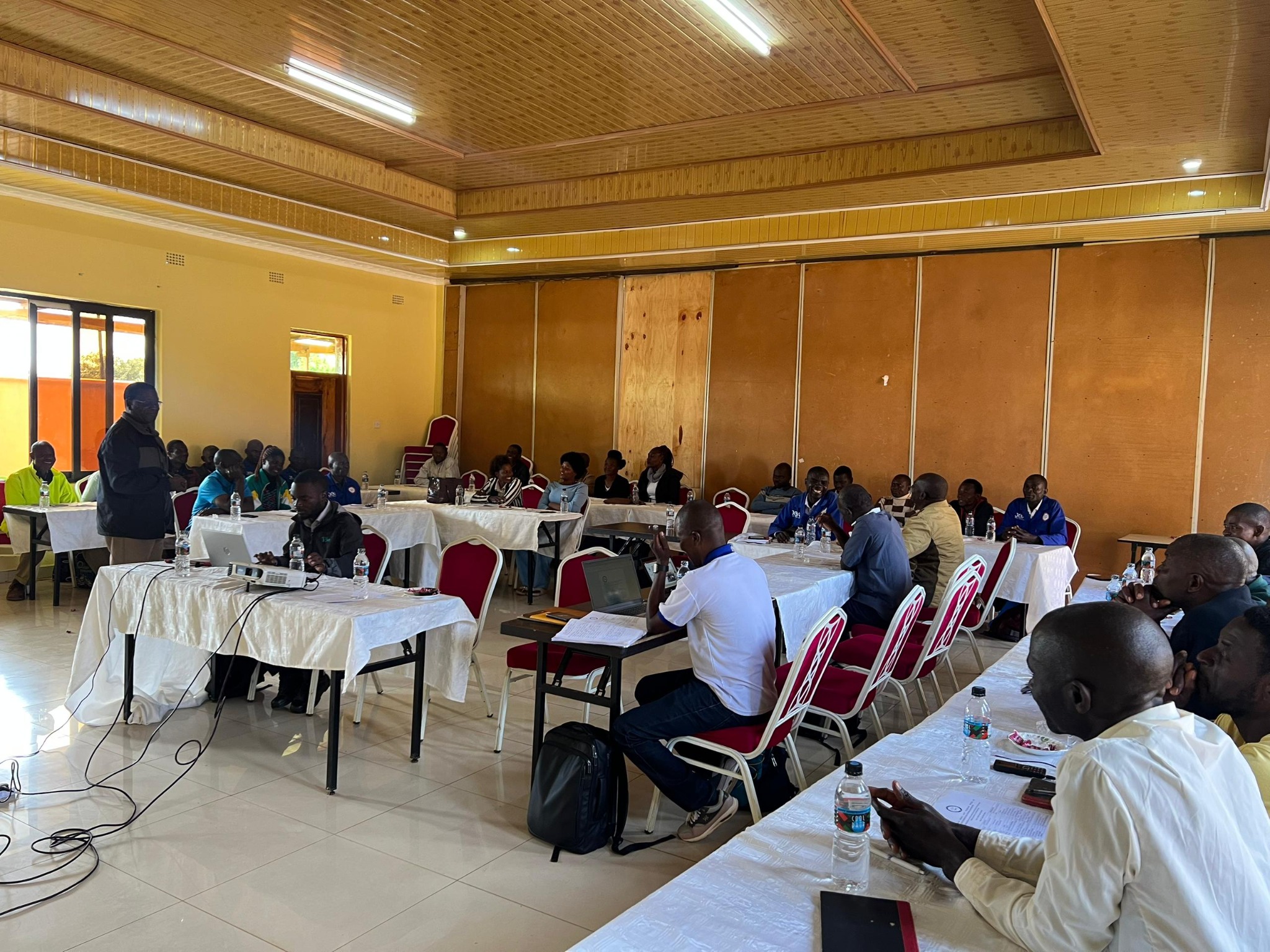
Technical meetings provide a structured space where animal scientists, farmers, researchers, students, private-sector actors and development partners can compare evidence, discuss field challenges and agree on practical responses.
Who should participate?
The audience can include livestock farmers, animal production officers, veterinarians, extension workers, researchers, university lecturers, postgraduate students, agribusinesses, processors, input suppliers, government departments and non-governmental organisations.
What makes a meeting useful?
- A focused theme connected to a real livestock-sector challenge.
- Presentations that translate technical evidence into practical implications.
- Time for participant questions, field experiences and different viewpoints.
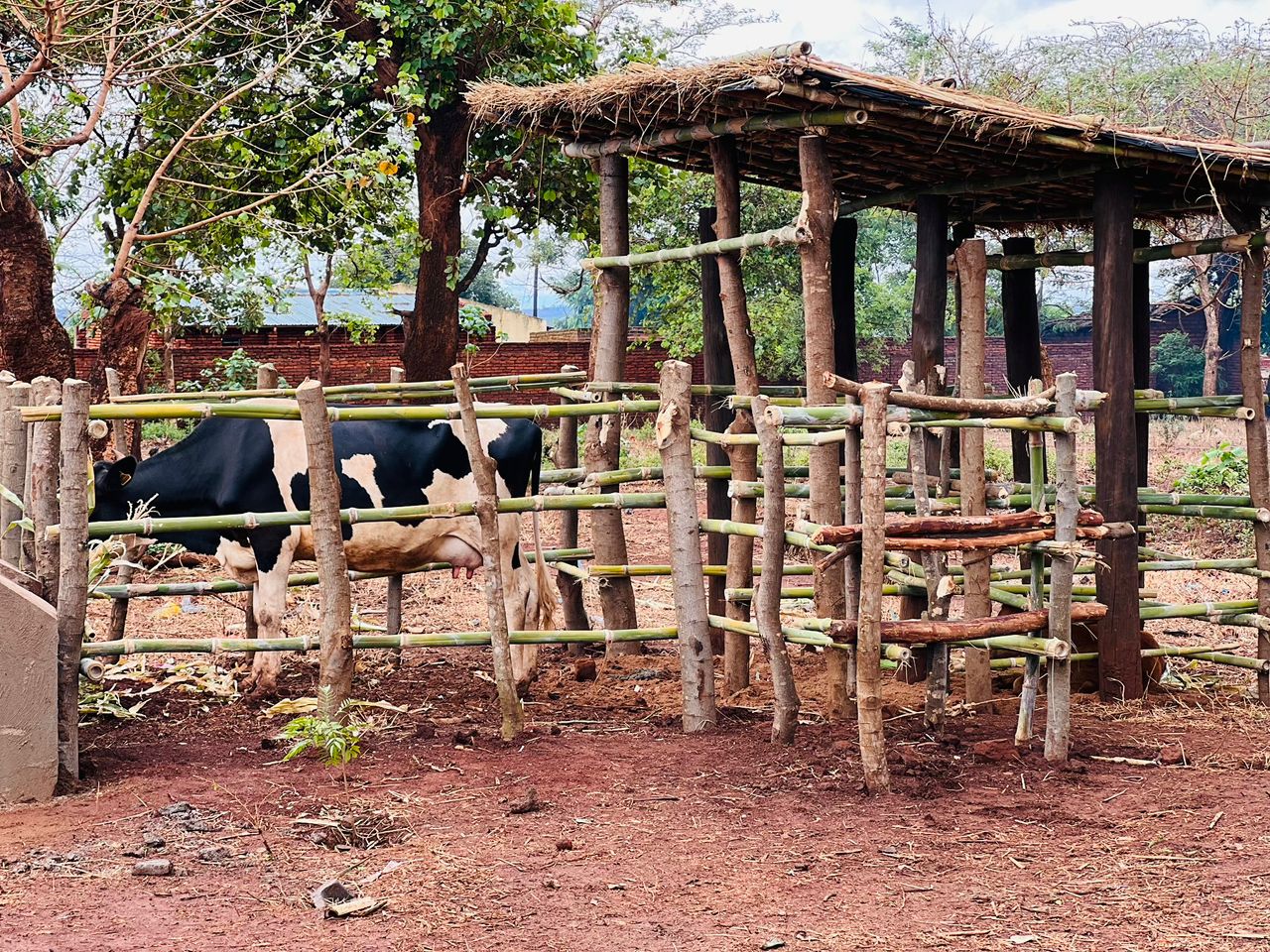
- Case studies, demonstrations or examples from local production systems.
- Clear action points, responsibilities and a method for follow-up.
Topics suitable for ASAM technical dialogue
Potential themes include livestock feeding, breeding, animal welfare, housing, biosecurity, climate resilience, production economics, value-chain development, research methods, professional ethics and the communication of scientific findings.
Expected outcomes
A strong technical meeting should leave participants with clearer knowledge, new professional contacts, practical actions and documented recommendations that can inform training, research, policy or field programmes.
Professional dialogue becomes valuable when participants leave with knowledge they can use, relationships they can build on and actions they can follow through.