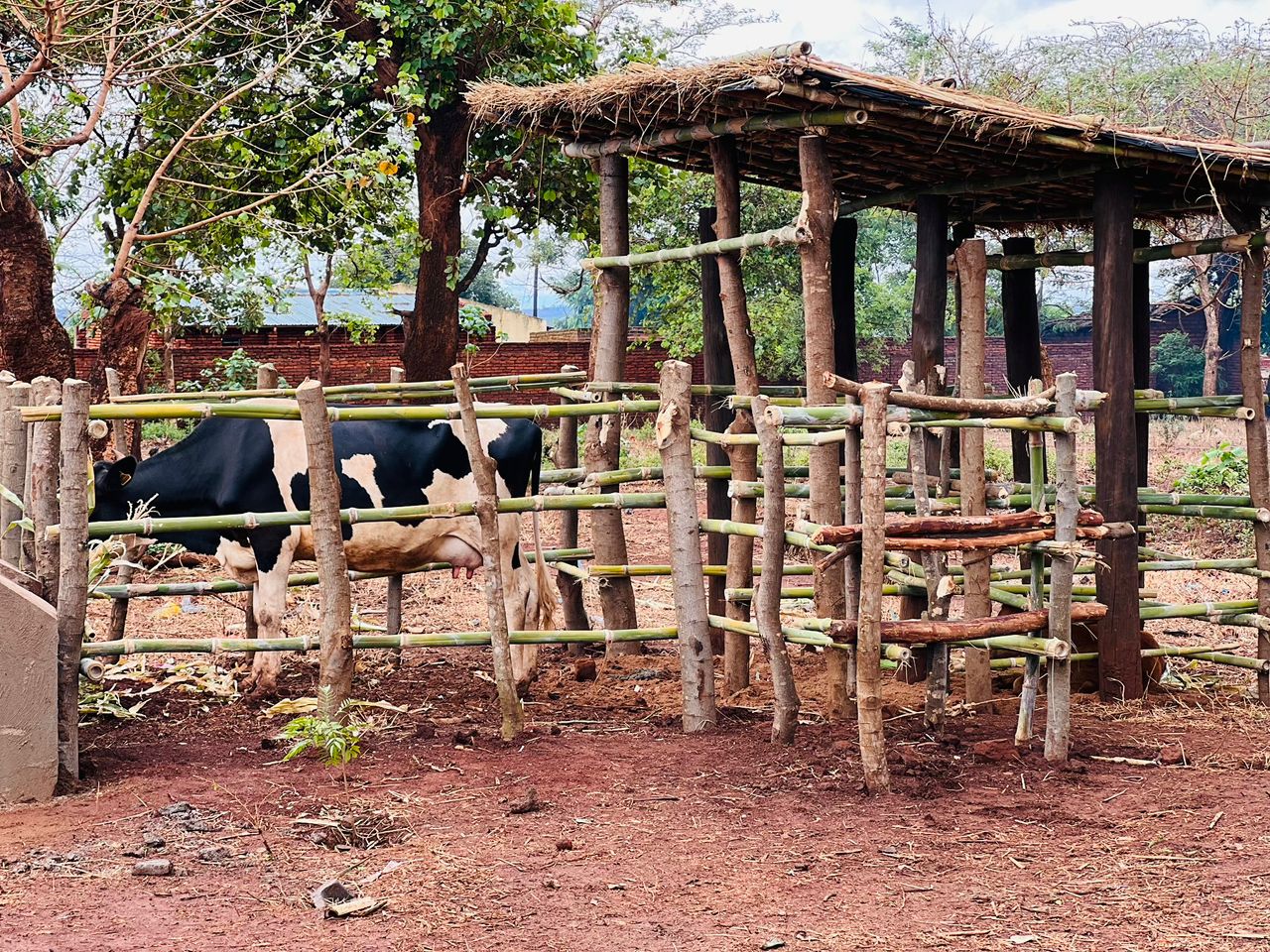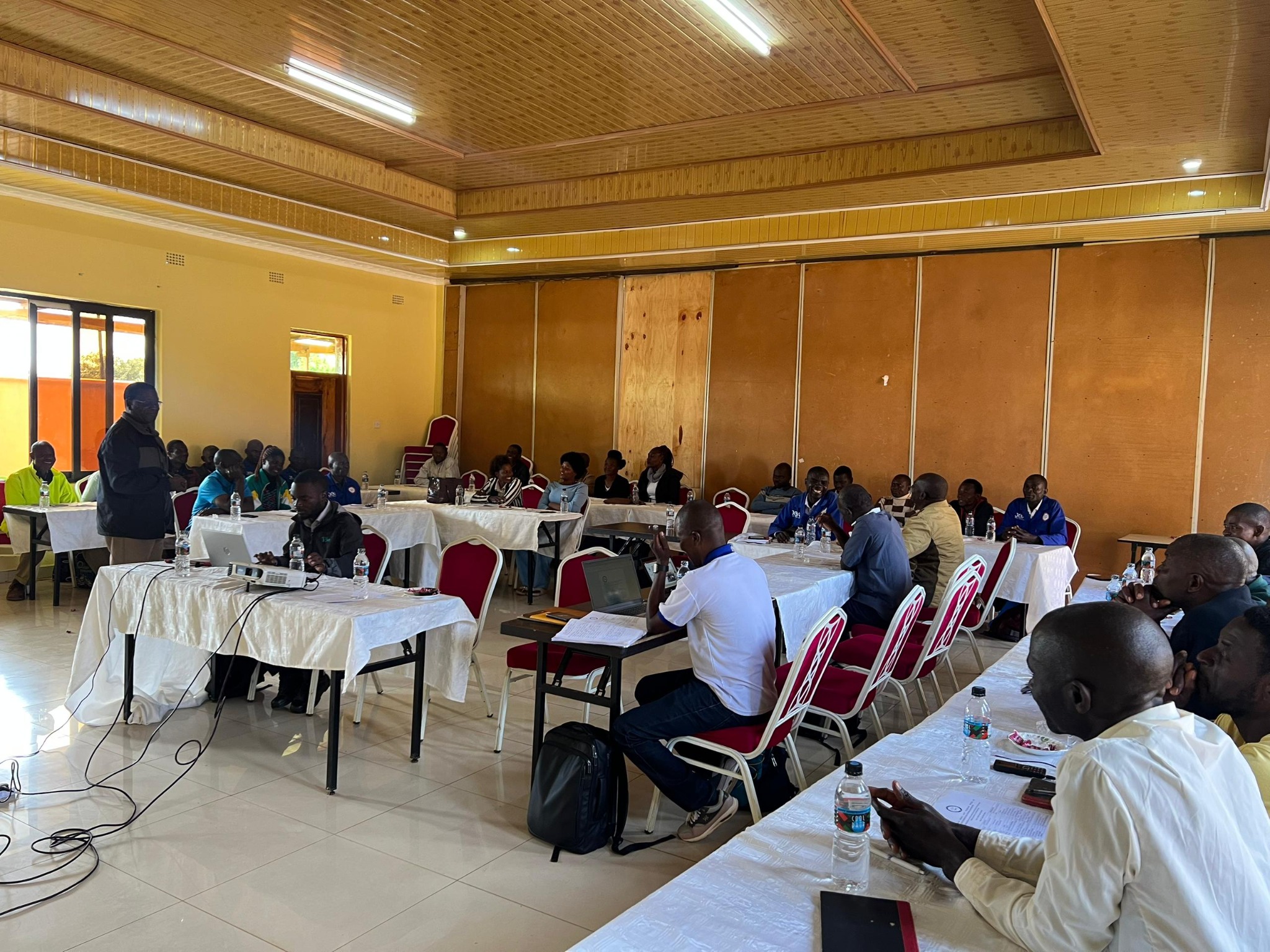
Seasonal feed shortages can reduce growth, milk production, fertility and disease resistance. Planning before the dry season gives farmers time to identify local feed resources, conserve surplus material and budget for any supplements that may be required.
Start with a feed inventory
List the available pasture, crop residues, planted fodder, hay, silage, agro-processing by-products and purchased feeds. Estimate how long each resource can support the herd or flock and which animals have the highest nutritional priority.
Conserve feed at the right time
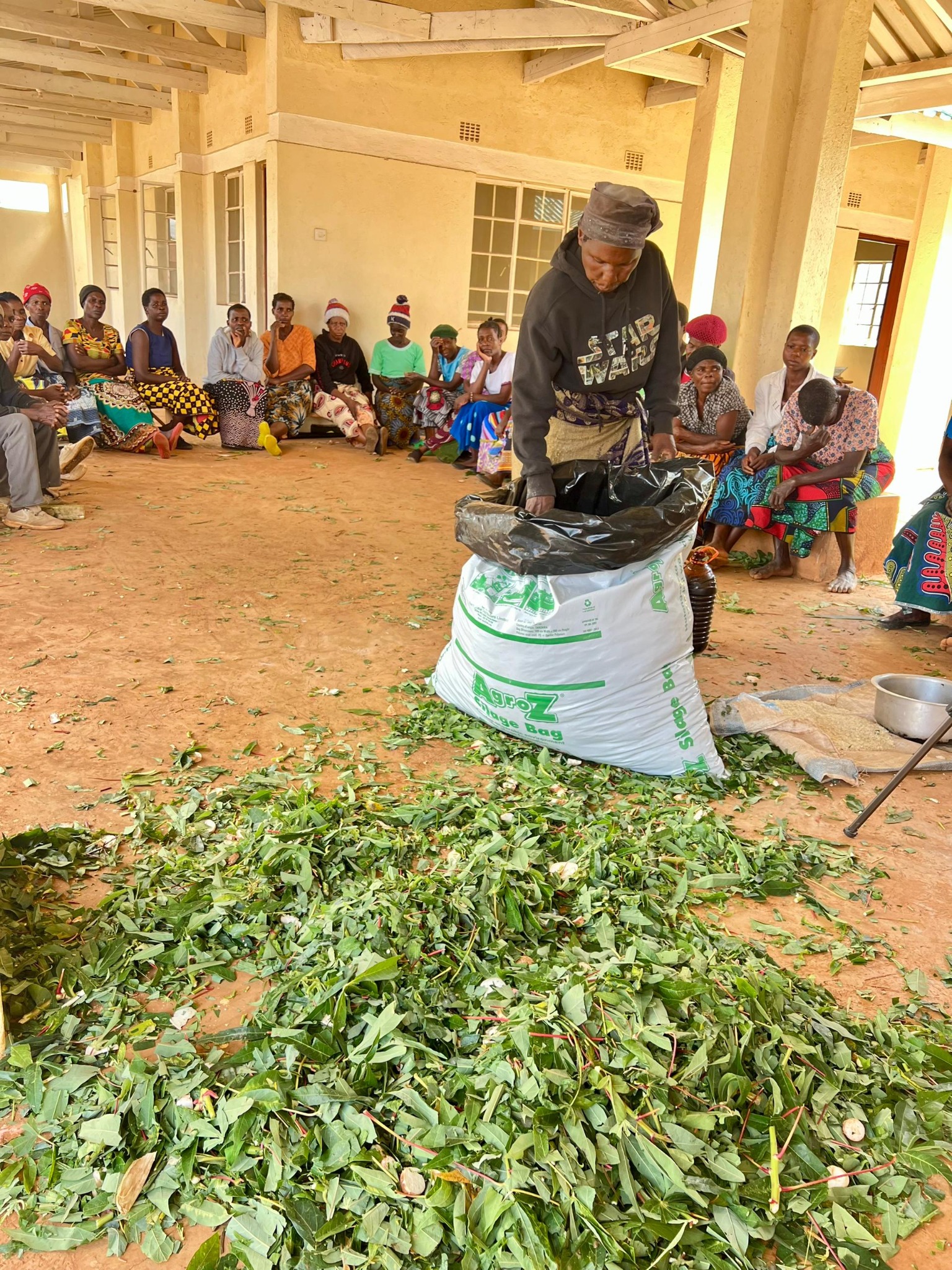
Hay and other conserved feeds should be prepared while plant material still has useful feeding value. Delayed harvesting can increase fibre and reduce quality. Storage areas should be dry, protected from rain, pests and contamination, and raised from the ground where possible.
Use crop residues carefully
Crop residues can contribute to dry-season diets but may not provide enough protein, minerals or energy on their own. Farmers should seek technical guidance when combining residues with supplements or treatment methods.
Prioritise animals according to need
Young, pregnant, lactating, breeding and sick animals often need closer nutritional attention. Grouping animals by requirement can reduce waste and direct better-quality feed to animals that need it most.
Monitor results
Observe body condition, feed intake, milk output, growth and health. Records help identify whether feed allocation should be adjusted before serious loss of condition occurs.