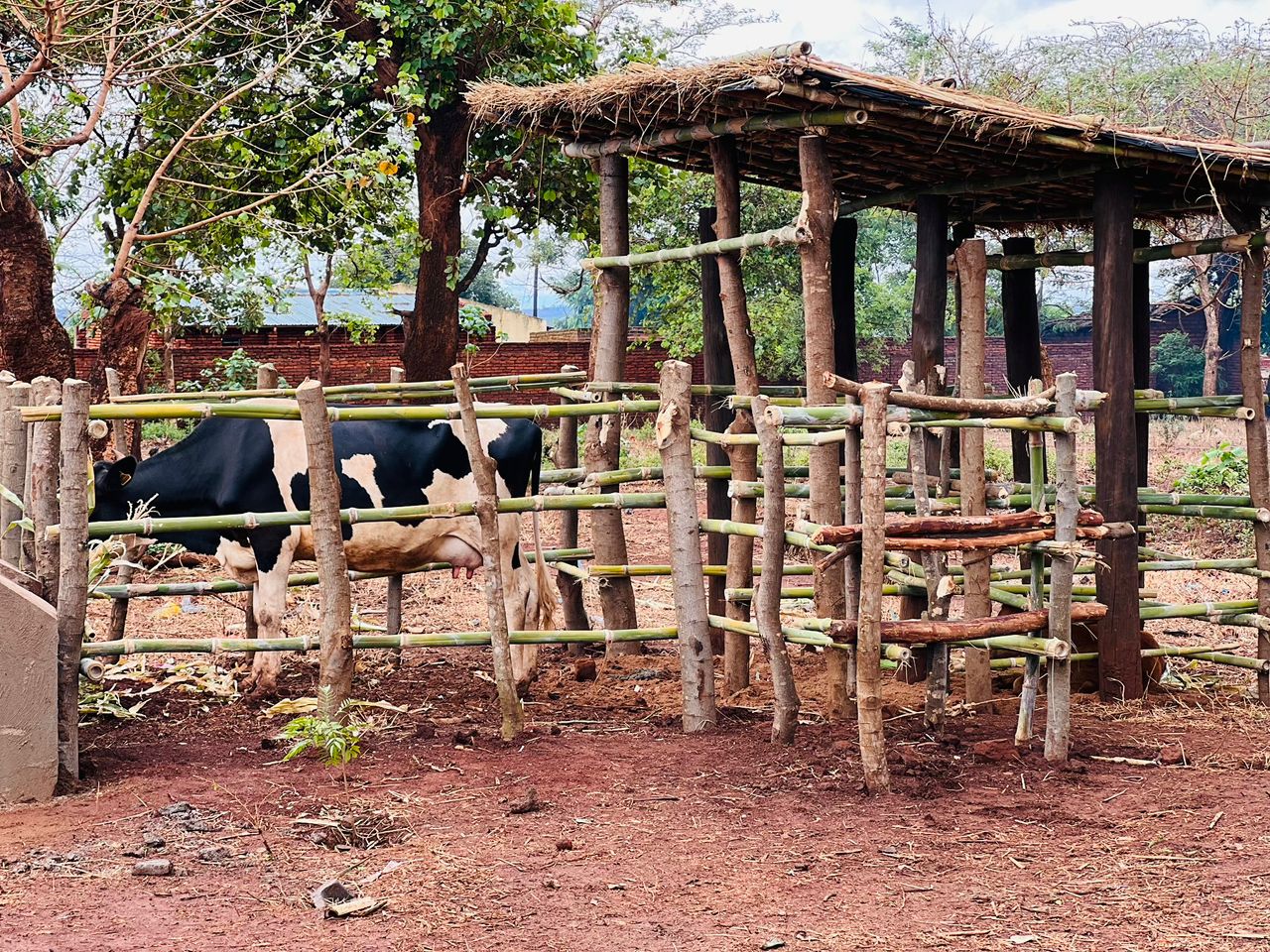
Biosecurity does not always require expensive infrastructure; consistent routines and careful observation are essential first steps.
Biosecurity refers to the measures used to reduce the introduction and spread of disease. On smallholder farms, practical routines can protect livestock health while also improving animal welfare and reducing production losses.
Control the introduction of new animals
Newly purchased or returning animals should be observed separately before mixing with the resident herd or flock. Their health history, source and any treatment records should be checked where available.
Keep housing, equipment and water points clean
Remove manure and wet bedding regularly, clean shared equipment and prevent feed or water from becoming contaminated. Sick-animal areas should be cleaned with particular care.
Limit unnecessary movement
Visitors, vehicles, borrowed equipment and animals moving between farms can carry infectious material. Use designated entry points, clean footwear and equipment, and avoid unnecessary contact with sick animals.
Observe animals every day
Changes in appetite, behaviour, breathing, movement, body condition, production or manure can indicate a health problem. Early reporting to an animal-health professional improves the chance of effective response.
Handle animals calmly and humanely
Use safe handling facilities, avoid beating or excessive force, provide adequate water and shade, and plan transport to reduce injury and stress. Good welfare supports both ethical practice and productive performance.
Keep basic records
Record illness, deaths, treatments, vaccination, animal movement and visitors during disease concerns. These records can help identify patterns and support professional advice.
About ASAM knowledge articles
ASAM articles support professional learning and livestock-sector discussion. Members and readers should obtain appropriate technical or veterinary advice before applying recommendations to a specific farm, animal or production system.